Your request has been successfully sent. We'll get in touch shortly.
THANK YOU!
Contact Sales

Technology / Core AI

Core AI: The technology behind custom computer vision

Cost-effective AI detector development, built on computer vision expertise, reusable models and in-house Active ML infrastructure. Focus development effort on adapting detectors to your real-world processes.

Algorithm expertiseFace SDK evaluated in NIST FRTE through a technology partner
Applied computer visionTransport demonstrations and manufacturing pilot examples
Cost-effective developmentReuse models and in-house Active ML infrastructure for your detection task

Expertise backed by evaluation

Build on experience with independently evaluated algorithms

3DiVi Face SDK takes part in NIST FRTE 1:1 verification through a technology partner. This provides an external evaluation context for our face-recognition technology.

For a custom computer vision project, the essential questions are equally concrete: what must be detected, on which data, under which conditions, and against which acceptance criteria?

Explore face recognition benchmarks ↗

From algorithms to applied projects

See how computer vision addresses real operational tasks

Explore recorded transport demonstrations and a published manufacturing pilot. Each example connects camera footage to a defined event or operational question.

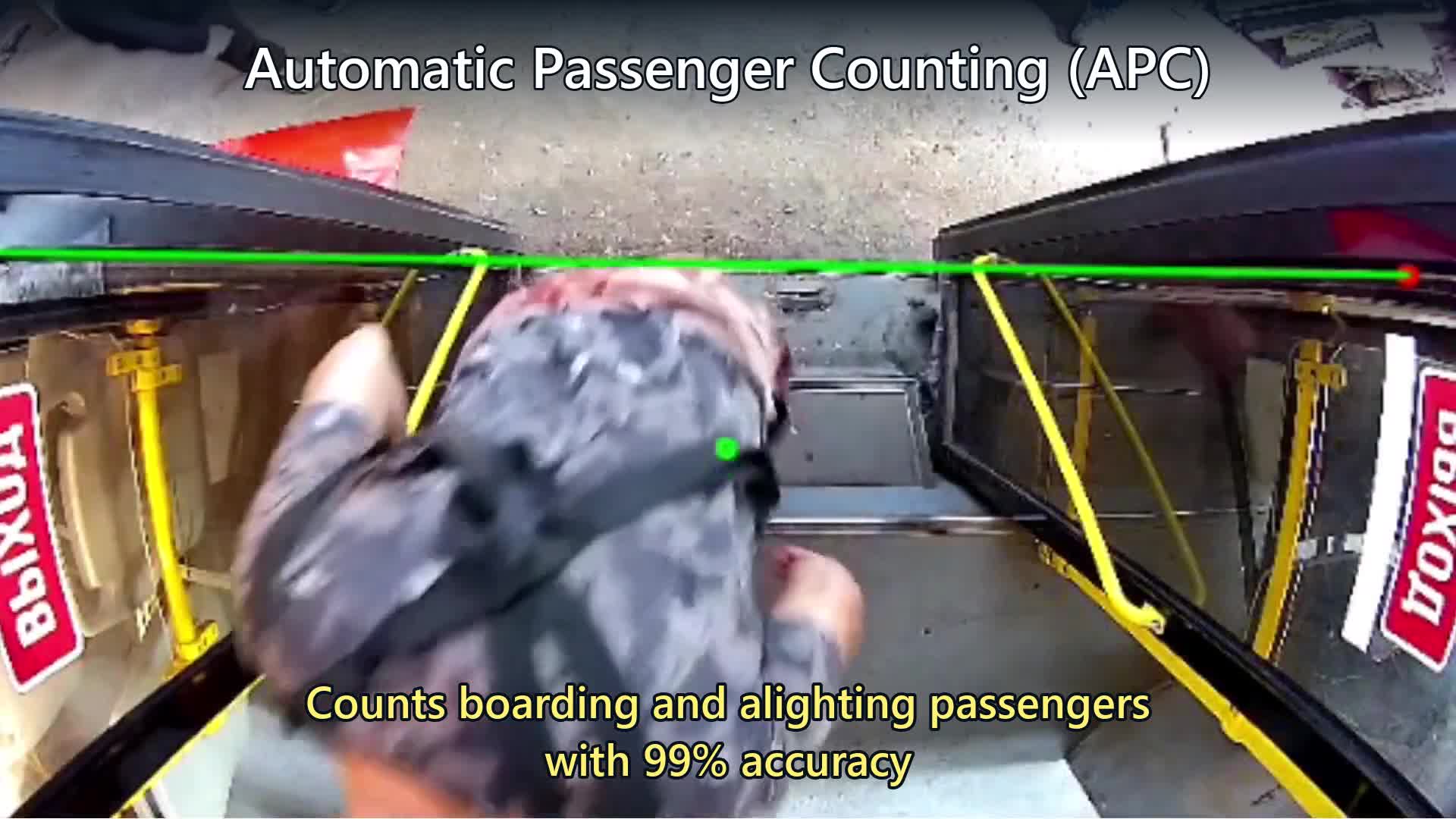
Automatic Passenger Counting detector tracking boarding passengers at a vehicle door
Transport / recorded demonstrations

Passenger counting, driver monitoring and blind-spot awareness

Detect boarding and alighting, driver distraction and pedestrians in camera-covered blind spots. Assess the camera setup, target hardware and integration requirements for your transport solution.

Comparative test reports can be discussed with our team. The deployment story below describes a tram project in Russia.
Read the deployment story (Russian) ↗

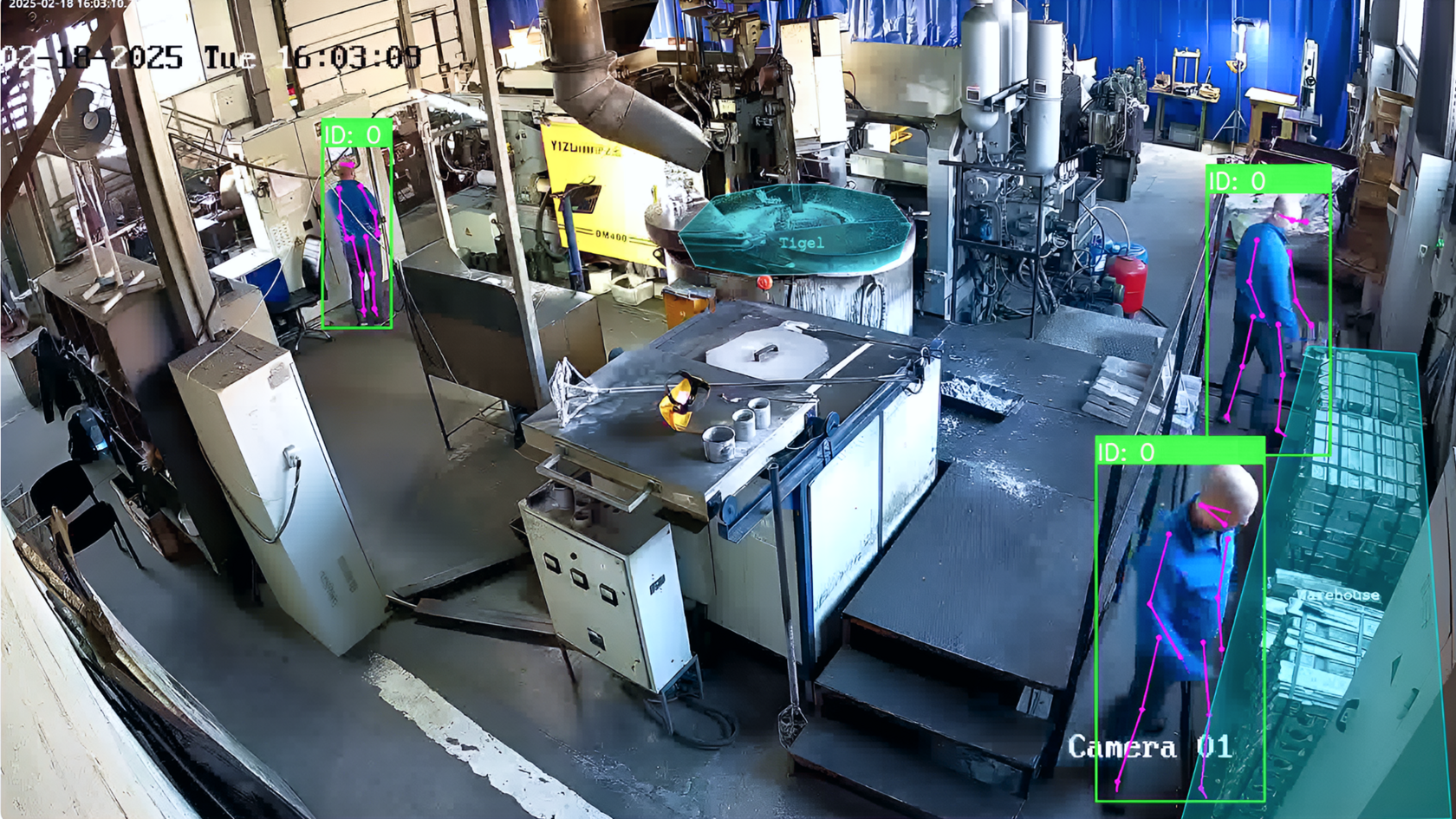
Illustration from the 3DiVi manufacturing article about monitoring process steps
Manufacturing / published pilot example

Process compliance and operator interaction monitoring

Connect hand and body tracking, work-zone interactions and object detection to questions about process sequences, equipment downtime and tool use.

In the published factory pilot, two hours of operation revealed 25 instances of technological downtime and 8 unjustified downtimes. These results describe that pilot.

Active ML / in-house infrastructure

A foundation for cost-effective AI detector development

Core AI brings together reusable models, a deep-learning development platform and compute infrastructure. Active ML is our in-house infrastructure for developing and improving detectors around project requirements.

01 / MODELS

Start from existing expertise

Reuse computer vision building blocks for face recognition, body tracking, objects and actions. Focus development effort on the data and events specific to your task.

02 / DEVELOPMENT

Adapt to representative data

Define the camera views, examples and labels for your task. Train or adapt models and inspect the errors that matter to the application.

03 / COMPUTE

Evaluate the deployment fit

Assess model quality alongside latency, computing resources and integration requirements. Agree the target configuration and acceptance criteria for the project.

Learn more about the Core AI technology foundation on our company page ↗.

Project workflow

From representative footage to a validated detector

01 / DEFINE

Specify the visual event

Describe the object, action, sequence or visual condition to recognize. Define what the receiving system should do with the result.

02 / PREPARE

Build the evaluation basis

Collect representative examples and agree labels, metrics and a separate test dataset for the intended operating conditions.

03 / ADAPT

Develop and review

Train or adapt the detector. Review false positives, missed events and difficult examples, then refine the approach.

04 / VALIDATE

Test against agreed criteria

Measure quality on the evaluation data. Check the camera setup and performance requirements of the target platform.

05 / INTEGRATE

Connect detections to your system

Define the event outputs and software integration. Use Omni Agent where its capabilities fit the deployment.

06 / IMPROVE

Review operating feedback

Use observed error cases and changes in conditions to scope the next validation and adaptation cycle.

ILLUSTRATIVE INPUTVideo from a work zone
DEFINED DETECTIONPerson enters a restricted area
PROJECT OUTPUTTimestamp, camera and event

How the technologies fit together

Core AI develops the foundation. Omni Agent brings video analytics into your solution.

Technology foundation

Core AI

Computer vision expertise, models and infrastructure behind project-specific detector development.

Explore the foundation ↓
Development infrastructure

Active ML

In-house infrastructure supporting the iterative work of developing and improving AI detectors.

Discuss your requirements ↓
Video analytics software

Omni Agent

Video-stream processing, detection scenarios and event integration for products and operational systems.

Explore Omni Agent ↗

Questions about the technology

Plan your computer vision development project

What is Core AI?

Core AI is the technology foundation behind 3DiVi computer vision development: reusable models, a deep-learning development platform and compute infrastructure. It supports our work on project-specific models and detectors.

How does Core AI differ from Omni Agent?

Core AI describes the expertise and development foundation. Omni Agent is video analytics software for processing video and integrating detections into an application. Start with Omni Agent or a project discussion when you need a deployable solution.

What is Active ML?

Active ML is 3DiVi's in-house infrastructure for AI detector development and improvement. The data workflow, model adaptation, evaluation process and delivery scope are defined for the particular project.

Does NIST FRTE validate transport or manufacturing detectors?

No. NIST FRTE evaluates face-recognition algorithms. APC, driver monitoring, blind-spot detection and process-monitoring scenarios need their own datasets, metrics and acceptance tests.

Can we discuss AI visual inspection or machine vision?

Yes. Share the objects, defects or missing components you want to detect, together with representative images and the camera setup. Feasibility, data needs and a validation pilot must be assessed for that inspection task.

What should we provide for an initial assessment?

Describe the event to detect, the intended process, available footage, camera placement, target hardware and integration requirements. Agree the quality metrics and operating conditions before a pilot.

Turn your visual task into a computer vision project

Tell us what your system needs to detect or verify. Discuss the data, evaluation criteria and integration path with the 3DiVi team.

Discuss Your Project ↗